
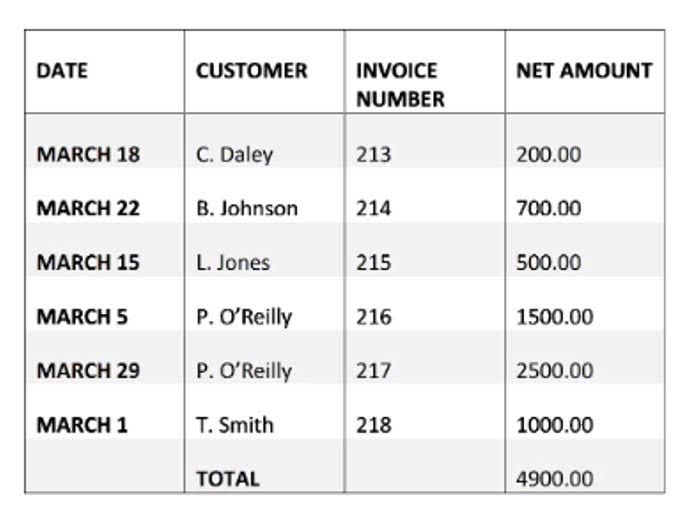
The single-entry bookkeeping method is the simpler of the two bookkeeping methods. By simple small businesses, it refers to businesses that do not have inventory or equipment to offer and not many cash transactions frequently. Having an organization for storing your business financial records will make it easier for you to do your financial reports on a monthly, quarterly, or annual basis. Developing a system for storing records makes bookkeeping easy including the filing of your taxes.
- Remember that each transaction is assigned to a specific account that is later posted to the general ledger.
- They are the balance sheet, profit and loss (P&L) statement, and the cash flow statement.
- Liabilities are what the company owes like what they owe to their suppliers, bank and business loans, mortgages, and any other debt on the books.
- Another way is to use your phone to take a picture of your receipts immediately when you receive them!
Remote work has expanded across nearly every field, including bookkeeping. If you find someone who is a good fit for your business needs, it doesn’t matter if they are in California while you work from New York. You’ll want to create a contract that outlines details, such as deadlines, rates and expectations business bookkeeping so that everyone is on the same page. The chart of accounts may change over time as the business grows and changes. Hiring a professional will keep your business tax compliant, and prevent you from missing out on deductions you qualify for, and overpaying or underpaying your tax bills.
Store records securely
You can always attend professional events, too, such as conferences and networking events. Don’t forget that investing in your business means investing in yourself. There are two pieces of the business plan that deserve a little extra consideration.
They can’t do that without looking into things like revenue, cash flow, assets and liabilities, which they’ll search for on your balance sheet, income statement and statement of cash flows. Bookkeeping is the process of tracking income and expenses in your business. It lets you know how you’re doing with cash flow and how your business is doing overall. Staying on top of your bookkeeping is important so that you don’t have unexpected realizations about account balances and expenses. We’ve put together this guide to help you understand the basics of small business bookkeeping. If two sides of the equations don’t match, you’ll need to go back through the ledger and journal entries to find errors.
New to Business Essentials? Start here.
This works out to be approximately $26 an hour, over $1,000 a week, or $4,600 a month. Of course, rates and salary can vary depending on the person’s education, certification, skills, years of experience, and other factors. The American Institute of Professional Bookkeepers, for example, grants the Certified Bookkeeper Designation. To earn this certification, you must submit evidence of at least two years of full-time bookkeeping experience, sign a code of ethics, and pass a four-part certification exam. The software has an advanced transaction tool that classifies all your transactions according to category, date, description, and amount. Through its checkmark tool, you can verify the accuracy or completeness of your transactions.
A major part of registering your business and opening up shop is choosing a business entity. This will govern how you pay taxes as a small-business owner, but also what kind of liability protection you have in case something goes wrong and how you’ll structure your business. As we mentioned above, you don’t technically need to be certified to run a bookkeeping business. If you’re a busy small https://www.bookstime.com/articles/accountant-for-startups business owner with a million things to do, it’s easy to let bookkeeping fall by the wayside. If you’re going to be doing your own bookkeeping, it’s worth talking to a pro when you set up your system to make sure the accounts you create align with your industry standards and CPA expectations. You could go with one of dozens of popular cloud accounting solutions, like QuickBooks, Xero or Wave.
